 0300-5008536
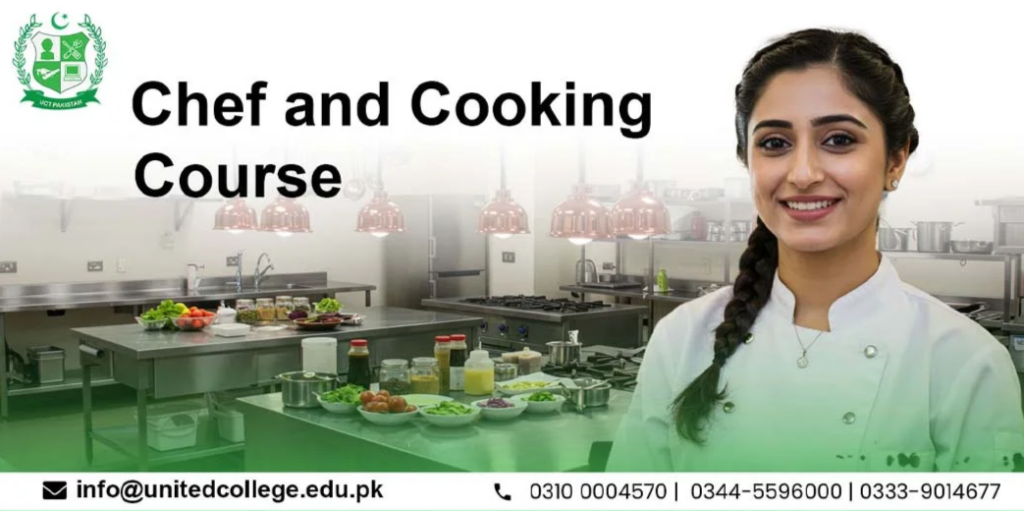
Real Kitchen Experience Builds Real Careers
Many people enjoy cooking at home, but working in a restaurant is completely different. Restaurant kitchens are fast-paced, organized, and require teamwork, discipline, and professional skills. This is why practical cooking classes are so valuable. They allow students to learn by doing instead of only reading about cooking techniques.
In 2026, restaurants, hotels, cafés, and catering companies are looking for chefs who can confidently work in professional kitchens from their first day. Practical cooking classes help students develop the skills employers expect, making them better prepared for restaurant work and long-term career success.
Learning by Doing Makes a Big Difference
Practical cooking classes allow students to prepare real dishes under the guidance of experienced instructors. Instead of only studying recipes, students learn how to handle ingredients, use kitchen equipment, and complete tasks within a set time.
Every cooking session helps students become more confident and improves their ability to work in a professional kitchen.
Building Strong Cooking Skills
Professional restaurants expect chefs to have excellent cooking skills. Practical training helps students master the techniques used every day in commercial kitchens.
Students usually learn the following:
- Knife skills and safe cutting techniques.
- Different cooking methods such as grilling, frying, roasting, baking, steaming, and sautéing.
- Food preparation and ingredient handling.
- Basic baking and dessert preparation.
- Food presentation and plating techniques.
Learning these skills through regular practice helps students prepare meals with consistency and confidence.
Understanding Restaurant Kitchen Operations
Restaurant kitchens follow a structured system where every team member has specific responsibilities. Practical cooking classes introduce students to this working environment and teach them how professional kitchens operate.
Students learn how to:
- Organize their workstation.
- Prepare ingredients before cooking.
- Follow recipes accurately.
- Complete orders within time limits.
- Maintain cleanliness throughout the cooking process.
These habits help students adjust quickly when they begin working in restaurants.
Developing Teamwork and Communication Skills
No restaurant kitchen operates successfully without teamwork. Chefs, assistants, and kitchen staff must communicate clearly and support each other during busy meal service.
Practical cooking classes allow students to work together on different tasks, helping them improve communication, cooperation, and coordination. These skills are essential for maintaining smooth kitchen operations and delivering quality food on time.
Learning Food Safety and Hygiene Standards
Food safety is one of the most important responsibilities in every restaurant. Customers expect meals to be prepared in a clean and safe environment.
Practical classes teach students how to:
- Wash and sanitize hands properly.
- Prevent cross-contamination.
- Store food at safe temperatures.
- Keep kitchen equipment clean.
- Handle raw and cooked food correctly.
- Maintain high hygiene standards.
Following these practices helps protect customers and builds trust in professional kitchens.
Working Under Pressure
Restaurant kitchens become extremely busy during lunch and dinner hours. Professional chefs must prepare multiple orders while maintaining quality and speed.
Practical cooking classes simulate this environment by giving students timed cooking tasks and encouraging them to stay organized under pressure. This experience builds confidence and prepares students for the demands of restaurant work.
Preparing Different Types of Cuisine
Modern restaurants often serve customers with different food preferences. Practical cooking classes introduce students to various cooking styles, helping them become versatile chefs.
Students may learn to prepare the following:
- Pakistani dishes
- Chinese cuisine
- Italian cuisine
- Continental recipes
- Fast food meals
- Soups, sauces, and desserts
Learning multiple cuisines increases career opportunities in restaurants, hotels, resorts, and catering businesses.
Career Benefits of Practical Cooking Classes
Students who complete practical cooking training gain valuable advantages when applying for restaurant jobs.
Some important benefits include:
- Better cooking confidence.
- Strong practical kitchen experience.
- Improved speed and efficiency.
- Better understanding of restaurant operations.
- Professional food safety knowledge.
- Strong teamwork and communication skills.
- Greater employment opportunities.
- Better preparation for career growth.
These qualities make candidates more attractive to employers in the hospitality industry.
Building a Successful Future in the Hospitality Industry
Practical cooking classes provide much more than cooking knowledge—they prepare students for the real challenges of restaurant work. Through hands-on training, students develop professional cooking techniques, kitchen discipline, teamwork, food safety awareness, and confidence under pressure. As the hospitality industry continues to expand in Pakistan and internationally, practical experience remains one of the most valuable assets for anyone planning a successful culinary career. Investing time in practical learning is the first step toward becoming a skilled and respected professional chef.
Here is our free guest post where we share valuable information about professional training courses and career development:
https://www.perrysplacepromotions.org/blog/essential-cooking-skills-every-future-chef-should-master
https://guestpostglobal.com/@ahmedmalik/how-to-read-and-follow-recipes-like-a-professional-chef
https://ok-gud.com/posts/165944
https://www.bairwaji.com/blogs/196454/How-Cooking-Courses-Prepare-You-for-International-Careers