 0300-5008536
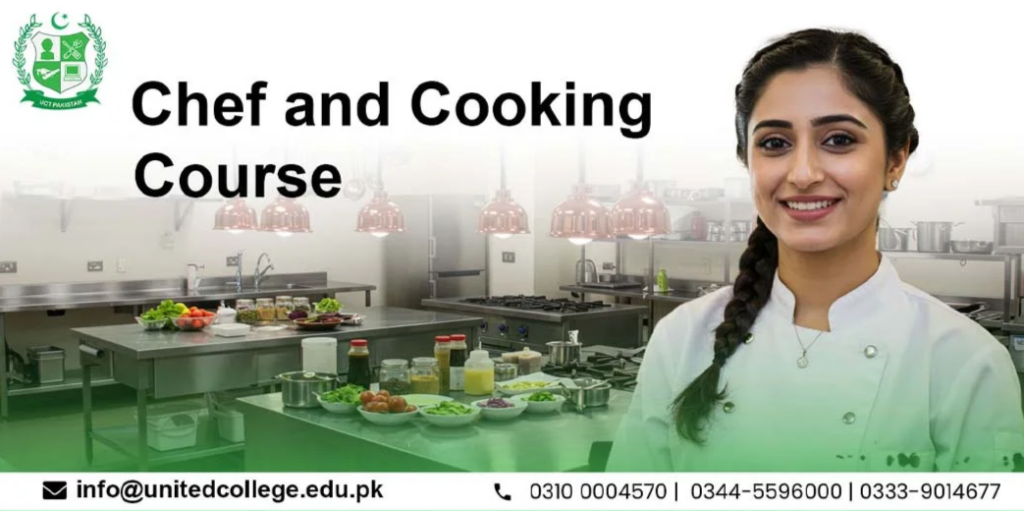
Leadership Is the Heart of Every Successful Kitchen
A professional kitchen is much more than a place where meals are prepared. It is a fast-moving environment where teamwork, communication, discipline, and organization determine success. While cooking skills are essential, they alone cannot make someone a great chef. The best chefs are also strong leaders who know how to guide their teams, solve problems, maintain high standards, and create a positive working atmosphere.
Kitchen leadership is developed through experience, continuous learning, and daily practice. Every successful head chef or executive chef started by learning basic cooking skills and gradually built the confidence to manage people, handle pressure, and make important decisions. In today’s hospitality industry, employers value chefs who can lead a team as effectively as they prepare excellent food.
Leadership Begins with Personal Discipline
Every professional chef understands that leadership starts with self-discipline. Before leading others, chefs must develop habits that show responsibility and professionalism.
Professional chefs arrive on time, prepare their workstations before service begins, maintain personal hygiene, and complete every task carefully. They follow restaurant policies, respect food safety standards, and stay focused even during stressful situations.
When junior staff see these professional habits, they naturally begin to follow the same standards. Leadership is often demonstrated through actions rather than words.
Building Trust Through Teamwork
A successful kitchen depends on teamwork. Every member, from kitchen assistants to senior chefs, has an important role in delivering quality food. Professional chefs build trust by treating every team member with respect and encouraging cooperation.
Strong leaders understand that no kitchen succeeds because of one person alone. They help team members during busy service hours, share knowledge, and create an environment where everyone feels valued.
When employees trust their leader, communication improves, mistakes decrease, and the entire kitchen becomes more productive.
Communication Creates an Organized Kitchen
Clear communication is one of the most valuable leadership skills in professional cooking. During busy lunch or dinner service, several orders may arrive at the same time. Without proper communication, confusion can quickly develop.
Professional chefs communicate clearly by giving simple instructions, confirming customer orders, and coordinating with kitchen staff to ensure every dish is prepared correctly. They also communicate with restaurant managers and serving staff to keep food service running smoothly.
Leading by Example Instead of Giving Orders
The strongest kitchen leaders do not simply tell others what to do. They actively work alongside their team and demonstrate professional behavior every day.
For example, experienced chefs:
- Follow hygiene rules without exception.
- Maintain clean workstations.
- Stay calm during busy hours.
- Help team members when needed.
By setting a positive example, leaders earn the respect of their colleagues and create a workplace where everyone wants to perform their best
Making Quick and Smart Decisions
Restaurant kitchens are full of unexpected situations. An important ingredient may run out, equipment may stop working, or customer requests may suddenly change. Professional chefs must make quick decisions without affecting food quality or customer satisfaction.
Strong kitchen leaders stay calm, analyze the situation, and choose the best solution. Their experience allows them to solve problems efficiently while keeping kitchen operations running smoothly.
Managing Time During Busy Service Hours
One of the biggest responsibilities of a kitchen leader is ensuring every customer receives their meal on time. During busy service periods, dozens of orders may arrive within minutes.
Professional chefs carefully organize tasks, assign responsibilities, monitor cooking progress, and coordinate the kitchen team. Instead of rushing, they prioritize work according to order timing and cooking requirements.
Training and Motivating Junior Chefs
Professional chefs understand that developing future talent is part of leadership. Experienced chefs regularly teach junior staff new cooking techniques, food safety practices, kitchen organization, and professional work habits.
Instead of criticizing mistakes, good leaders explain how improvements can be made. Positive guidance increases confidence and helps young chefs develop their skills more quickly.
Maintaining High Standards Every Day
Professional kitchen leaders never lower their standards, even during the busiest hours. They regularly check food quality, portion sizes, presentation, cleanliness, and customer satisfaction.
They ensure every team member follows the same professional procedures, from receiving fresh ingredients to serving finished meals. Consistency is what builds a restaurant’s reputation and keeps customers returning.
Handling Pressure with Confidence
Busy kitchens often create stressful situations. Large customer orders, tight deadlines, and unexpected problems can quickly increase pressure. A strong leader remains calm and helps the team stay focused instead of becoming frustrated.
Professional chefs know that panic creates mistakes, while confidence creates solutions. Their positive attitude encourages the entire team to remain organized and productive even during the busiest shifts.
This emotional stability is one of the qualities that separates experienced leaders from ordinary cooks.
Continuing to Learn and Improve
The best kitchen leaders never stop learning. They regularly study new cooking techniques, modern kitchen technology, food safety regulations, and international food trends.
Continuous learning helps chefs introduce new ideas, improve kitchen efficiency, and stay competitive in the hospitality industry. Leaders who continue developing their knowledge inspire their teams to improve as well.
Learning is not only about cooking—it also includes leadership, communication, business management, and customer service.
Essential Leadership Qualities Every Professional Chef Should Develop
Every successful kitchen leader combines technical expertise with strong personal qualities. Some of the most valuable leadership skills include:
- Clear communication and active listening.
- Strong teamwork and cooperation.
- Excellent time management.
- Problem-solving and decision-making.
- Professional discipline and responsibility.
These qualities help chefs earn respect, manage busy kitchens effectively, and prepare for higher leadership positions.
Strong Leadership Creates Successful Kitchens
Professional chefs build strong kitchen leadership skills through practical experience, discipline, teamwork, communication, and continuous learning. Leadership is not achieved overnight—it develops with every challenge, every service, and every opportunity to guide others. A chef who can motivate a team, maintain high food quality, solve problems confidently, and create a positive working environment becomes an invaluable asset to any restaurant or hotel. As the hospitality industry continues to grow, chefs with excellent leadership skills will enjoy greater career opportunities, higher management positions, and long-term professional success.
Here is our free guest post where we share valuable information about professional training courses and career development:
https://www.leenkup.com/read-blog/173795
https://www.bizlinkbuilder.com/articles/essential-food-storage-practices-every-chef-should-follow