 0300-5008536
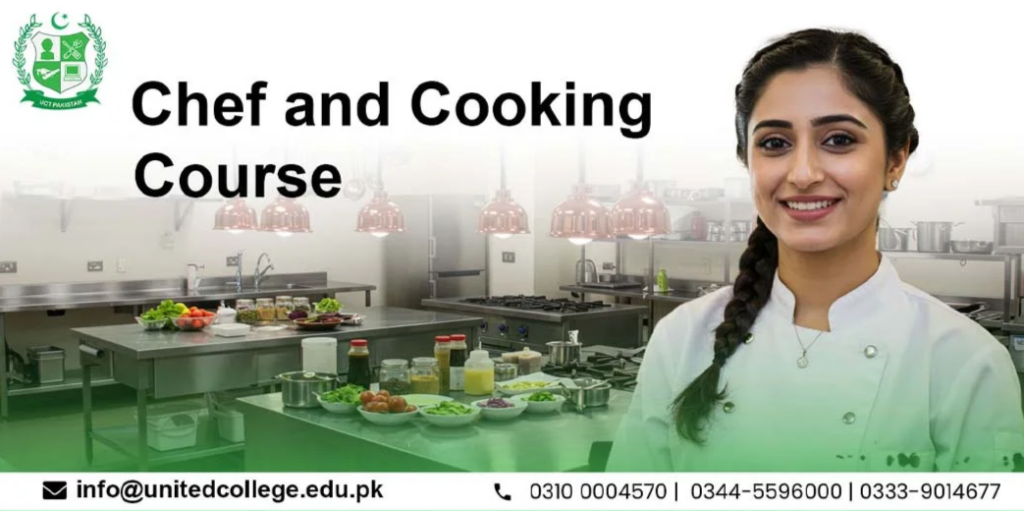
Real Learning Begins in the Kitchen
Learning about cooking from books or watching videos is a great way to understand recipes, ingredients, and kitchen rules. However, becoming a skilled chef requires much more than theoretical knowledge. Practical cooking experience allows students to apply what they have learned, improve their techniques, and build the confidence needed to work in a professional kitchen.
In today’s hospitality industry, employers prefer chefs who can perform tasks efficiently rather than simply explain cooking methods. Practical experience develops speed, accuracy, and problem-solving skills that cannot be learned through theory alone.
Understanding Theory Is Important, but Practice Builds Skill
Theory teaches the basic principles of cooking. It helps students understand food safety, nutrition, kitchen equipment, and cooking methods. While this knowledge is essential, it becomes valuable only when it is applied in real cooking situations.
For example, a student may know the correct temperature for grilling chicken, but only practical experience teaches them how to judge texture, color, and cooking time. Repeated practice helps turn knowledge into professional skills.
Hands-On Training Builds Confidence
Many beginners feel nervous when they first enter a professional kitchen. They may worry about using sharp knives, operating kitchen equipment, or preparing meals under time pressure.
Regular hands-on practice helps remove this fear. As students prepare different dishes, they become more confident in using kitchen tools, following recipes, and working independently. Confidence also allows chefs to stay calm during busy working hours.
Practical Experience Improves Cooking Techniques
Cooking is a skill that improves through repetition. Every time a chef prepares a meal, they become better at chopping vegetables, controlling heat, seasoning food, and presenting dishes.
Practical training also helps students learn important techniques such as grilling, frying, baking, roasting, steaming, and sautéing. These skills become more natural with regular practice, making chefs faster and more efficient.
Learning to Solve Real Kitchen Problems
Every kitchen faces unexpected challenges. Ingredients may run out, cooking times may change, or customer requests may require quick adjustments. Practical experience teaches chefs how to stay calm and solve problems without affecting food quality.
For example, if a sauce becomes too thick, an experienced chef knows how to adjust it. If a dish needs to be prepared quickly during busy hours, practical experience helps chefs organize their work efficiently.
Teamwork Is Learned Through Experience
Professional kitchens depend on teamwork. Chefs, kitchen assistants, waiters, and supervisors work together to prepare and serve meals on time.
Practical training helps students communicate effectively, support their team members, and understand the importance of cooperation. These workplace skills are essential for building a successful culinary career.
Time Management Comes with Practice
In restaurants and hotels, customers expect their meals to be served quickly without compromising quality. Practical experience teaches chefs how to organize ingredients, prepare multiple dishes at once, and complete orders within the required time.
Good time management improves productivity and reduces stress during busy service hours.
Employers Value Practical Skills
When hiring chefs, most employers focus on practical ability rather than theoretical knowledge. During interviews or kitchen trials, they want to see whether candidates can prepare food safely, work efficiently, and maintain consistent quality.
Chefs with strong hands-on experience usually adapt more quickly to professional kitchens and require less supervision, making them valuable employees.
Preparing for a Successful Culinary Career
Students who combine theoretical knowledge with practical experience have the best chance of success. Reading about recipes and cooking methods provides a strong foundation, while regular practice develops confidence, creativity, and professional skills.
Whether working in restaurants, hotels, cafés, bakeries, catering companies, or cloud kitchens, practical experience prepares chefs for real workplace challenges and helps them grow throughout their careers.
Turning Knowledge into Professional Success
Theory gives chefs the knowledge to understand cooking, but practical experience turns that knowledge into real skill. Every meal prepared, every technique practiced, and every challenge solved helps build confidence and expertise. By gaining hands-on experience, aspiring chefs become better prepared for professional kitchens and create a strong foundation for a successful and rewarding career in the culinary industry.
Here is our free guest post where we share valuable information about professional training courses and career development:
https://www.uzahighstreet.com/articles/how-to-build-confidence-in-the-kitchen
https://agroserv-community.mn.co/posts/104951568?utm_source=manual
https://mahimapandit-10020.mn.co/posts/104956223?utm_source=manual
https://own-business-that-work.mn.co/posts/104959001?utm_source=manual