 0300-5008536
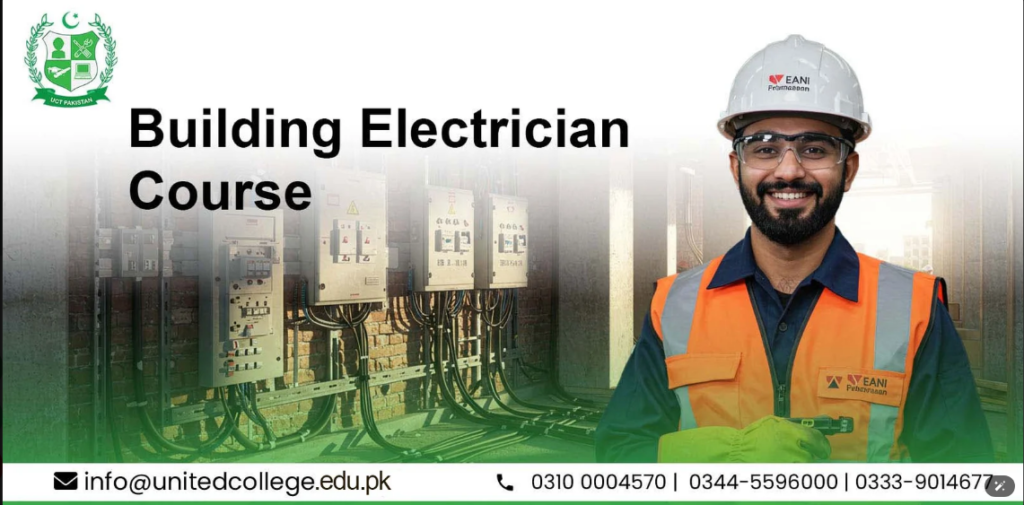
Industrial Electricians Are Driving Modern Industries
Industrial growth depends on reliable electrical systems. Every manufacturing plant, production facility, warehouse, and processing unit uses electrical power to operate machinery, automation systems, conveyor belts, pumps, compressors, and industrial control equipment. Without skilled industrial electricians, these systems cannot operate safely or efficiently.
In 2026, industries are investing in advanced technology to improve productivity and reduce downtime. This has increased the demand for industrial electricians who understand electrical installations, preventive maintenance, motor control systems, and industrial troubleshooting. As factories become more automated, employers are searching for professionals who can keep industrial equipment running smoothly.
Strong Career Scope in Pakistan
Pakistan’s industrial sector continues to expand through new industrial estates, manufacturing zones, export industries, and infrastructure development projects. Textile manufacturing, food processing, pharmaceuticals, steel production, cement manufacturing, packaging industries, and chemical plants all require experienced industrial electricians to support daily operations.
Unlike residential electrical work, industrial electrical work involves high-capacity systems that require regular inspection and maintenance. Their responsibilities include installing industrial panels, maintaining electrical motors, inspecting power distribution systems, and responding quickly to electrical faults that could stop production.
Excellent Employment Opportunities in Gulf Countries
The Gulf region continues to invest heavily in manufacturing, energy, transportation, and industrial infrastructure. Countries including Saudi Arabia, the United Arab Emirates (UAE), Qatar, Kuwait, Oman, and Bahrain regularly recruit industrial electricians for factories, oil and gas facilities, desalination plants, logistics centers, and industrial construction projects.
Many international employers look for candidates with practical experience in industrial wiring, electrical control panels, motor installations, and industrial maintenance. Professionals who understand modern industrial equipment often receive better employment opportunities because industries require electricians who can work independently while maintaining high safety standards.
Modern Industries Require Modern Electrical Knowledge
Industrial electrical systems are becoming more advanced every year. Today’s factories use programmable control systems, automated production lines, variable frequency drives (VFDs), industrial sensors, energy-efficient motors, and digital monitoring equipment.
Because of these developments, industrial electricians need more than basic wiring knowledge. They must understand how industrial machines communicate, how electrical panels distribute power, and how preventive maintenance improves production efficiency.
Practical Areas That Build Professional Experience
Industrial electrician training focuses on practical work that reflects real industrial environments. Learners gain experience with electrical installations commonly used in manufacturing plants and industrial facilities.
- Industrial electrical wiring systems
- Three-phase electrical installations
- Industrial motor installation and maintenance
- Motor starter connections
- Control panel wiring
- Distribution Board (DB) installation
- MCC panel basics
- Electrical cable laying and termination
- Electrical testing and measurements
These practical activities help learners understand how electrical systems operate in factories and prepare them for workplace responsibilities.
Long-Term Career Growth
Industrial electricians have opportunities to continue growing throughout their careers. With experience and technical knowledge, professionals can move into higher-level positions where they supervise maintenance teams, manage industrial electrical projects, or specialize in industrial automation and control systems.
Many experienced electricians also establish their own electrical contracting businesses, providing installation and maintenance services to factories and commercial industries.
Certification That Supports Professional Development
Completing industrial electrician training demonstrates that an individual has developed practical knowledge of industrial electrical systems and workplace safety. A professional training certificate strengthens a candidate’s profile when applying for positions in manufacturing industries, engineering companies, industrial maintenance departments, and construction projects.
When combined with practical experience and continuous learning, certification helps individuals compete for employment opportunities in Pakistan as well as Gulf countries. In 2026, industries are looking for professionals who can contribute immediately to production environments, making certified industrial electricians valuable assets in today’s competitive job market.
Here is our free guest post where we share valuable information about professional training courses and career development:
https://paperpage.in/posts/58026
https://peruactivo.com/read-blog/33016
https://lionsrking-locker-room.mn.co/posts/104125395?utm_source=manual