 0300-5008536

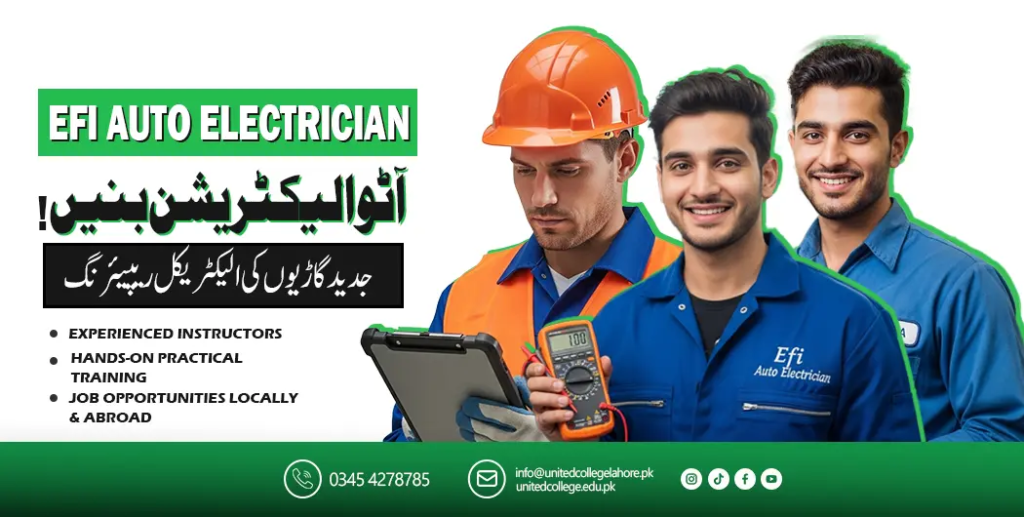
Starting a Career in Automotive Electrical Repair
Entering the automotive industry can be a valuable opportunity for students who want to develop practical skills and build a professional career. Modern vehicles depend on electrical systems, including batteries, starters, alternators, sensors, wiring, and electronic controls. These systems require trained technicians who can inspect components, identify faults, and perform appropriate repairs.
An auto electrician certificate can help students demonstrate that they have completed relevant technical training. For beginners, an auto electrician course in Lahore can provide a foundation in vehicle electrical systems and prepare them to apply for suitable entry-level positions. However, practical experience and technical ability are also important when seeking employment.
Demonstrating Technical Knowledge to Employers
An auto electrician certificate can show employers that a student has studied essential automotive electrical concepts. It may help demonstrate familiarity with vehicle wiring, electrical circuits, battery systems, and basic fault diagnosis.
When reviewing applications, employers may consider a candidate’s education alongside practical skills and experience. A relevant certificate can help a beginner explain their training background, especially when they have limited previous employment.
Students should choose a course with suitable practical lessons and verify who issues the certificate. If an institute claims that its qualification is recognized or approved, applicants should confirm that claim through the relevant authority.
Preparing for Entry-Level Workshop Positions
After completing suitable training, students may apply for beginner roles in automobile workshops, garages, and vehicle service centers. Depending on their abilities and employer requirements, they may start as workshop assistants, trainee auto electricians, or junior technicians.
Typical beginner responsibilities may include:
- Assisting experienced technicians with electrical inspections.
- Checking batteries, fuses, relays, and basic connections.
- Helping inspect wiring and identify visible damage.
- Using testing equipment under supervision.
- Keeping tools organized and following workshop safety procedures.
These tasks allow beginners to gain experience while learning how professional repair environments operate.
Developing Practical Skills Alongside Certification
A certificate is useful, but employers also need technicians who can apply their knowledge to real vehicle problems. Students should therefore focus on developing practical abilities throughout their training.
Important skills include reading wiring diagrams, using a digital multimeter, testing batteries, checking charging systems, and identifying common electrical faults. Learners should also practice following diagnostic steps rather than replacing parts without testing them.
Practical training helps students explain what they have learned during interviews. It also prepares them to complete assigned tasks carefully and recognize when they need assistance from a more experienced technician.
Improving Confidence During Job Applications and Interviews
Students who understand their training and can describe their practical experience may feel more confident when applying for jobs. A certificate provides a starting point for explaining their technical education, while examples of completed workshop tasks can help demonstrate their abilities.
Before attending an interview, candidates should prepare to discuss:
- The automotive electrical systems they have studied.
- The tools and testing equipment they have used.
- The practical tasks they completed during training.
- Their understanding of workshop safety.
- The areas in which they want to develop further.
Being honest about their experience is important. Beginners should not claim to have mastered advanced diagnostic systems if they have only studied the basics.
Choosing a Course That Supports Employment Preparation
Students should compare training programs before enrolling. Course content, workshop facilities, instructor experience, and certificate recognition can all influence the learning experience.
A useful course should include practical activities involving batteries, starters, alternators, wiring circuits, and electrical fault-finding. Students can also ask whether the institute provides career guidance, interview preparation, workshop exposure, or information about employment opportunities.
No training institute or certificate can guarantee a job. However, a well-structured program can help students build relevant knowledge and prepare for the expectations of entry-level employers.
Turning Certification Into Career Opportunities
An auto electrician certificate can help students apply for entry-level jobs by demonstrating relevant technical education and providing a foundation for discussing their skills with employers. It may support applications for trainee positions, workshop assistant roles, and junior automotive electrical work.
The strongest approach is to combine certification with practical experience, safe working habits, and continuous learning. By developing these qualities, students can improve their readiness for the workplace and work towards a long-term career in automotive electrical repair.
Here is our free guest post where we share valuable information about professional training courses and career development:
https://camlive.ovh/read-blog/41786
https://israelafrica.mn.co/posts/108986499
https://tanuoberoy5534.mn.co/posts/108990083?utm_source=manual