 0300-5008536
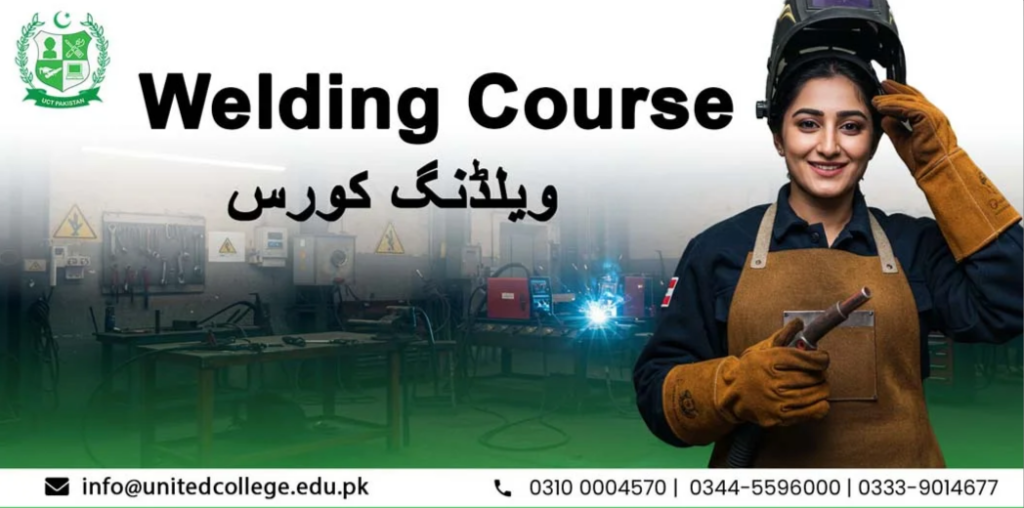
Understanding the Value of Welding Skills
Welding is much more than joining two pieces of metal. It is a technical profession that requires precision, patience, and practical knowledge. Successful welders develop a combination of hands-on abilities and professional qualities that help them perform effectively in industrial environments.
Whether working in construction, manufacturing, fabrication, or engineering, welding professionals rely on a variety of skills to produce strong, safe, and durable results. These abilities not only improve work quality but also create opportunities for long-term career growth.
Technical Knowledge of Welding Processes
One of the most important skills in welding is understanding different welding methods and their applications.
- Select the correct welding process
- Choose suitable materials
- Adjust equipment settings
- Understand welding positions
This knowledge helps ensure that projects are completed accurately and efficiently.
Metal Preparation Skills
Before welding begins, proper preparation is essential. A professional welder must know how to prepare materials to achieve strong welds.
- Cleaning metal surfaces
- Removing rust and contaminants
- Measuring and marking materials
- Cutting metal accurately
- Aligning components correctly
Good preparation reduces errors and improves the quality of the final product.
Precision and Accuracy
Welding requires a high level of accuracy. Even small mistakes can affect the strength and appearance of a weld.
- Maintain steady hand control
- Follow exact measurements
- Produce consistent weld beads
- Complete detailed fabrication work
Blueprint and Drawing Interpretation
Many welding projects begin with technical drawings or blueprints. Skilled welders learn how to read these documents and understand project requirements.
- Identify dimensions
- Understand assembly instructions
- Follow project specifications
- Complete work according to design requirements
Problem-Solving Abilities
Every project presents unique challenges. Materials may differ, environmental conditions may change, or unexpected issues may arise during fabrication.
A skilled welder develops problem-solving abilities by learning how to:
- Identify welding defects
- Correct fabrication errors
- Adjust welding techniques
- Improve work efficiency
Safety Awareness
Safety is one of the most important skills in the welding profession. Industrial environments often involve heat, sparks, heavy equipment, and potentially hazardous materials.
- Safe equipment operation
- Personal protective equipment usage
- Fire prevention practices
- Workplace hazard awareness
Strong safety habits help protect both workers and project environments.
Time Management Skills
Many industrial projects operate under strict deadlines. Welding professionals must learn how to manage their time effectively while maintaining quality standards.
- Complete projects on schedule
- Increase productivity
- Reduce delays
- Improve workplace performance
This skill becomes increasingly important in large-scale industrial operations.
Communication and Teamwork
Welding projects often involve collaboration with supervisors, engineers, technicians, and other workers. Effective communication is essential for project success.
- Follow instructions clearly
- Share project information
- Coordinate with team members
- Report issues promptly
Strong teamwork contributes to safer and more efficient work environments.
Inspection and Quality Control
Producing a weld is only part of the job. Skilled professionals must also evaluate their work to ensure it meets required standards.
- Inspecting weld appearance
- Identifying defects
- Measuring completed work
- Verifying project requirements
These abilities help maintain high-quality results and reduce costly repairs.
Adaptability and Continuous Learning
The welding industry continues to evolve through new technologies and improved equipment. Successful professionals remain open to learning and adapting to industry changes.
- Learning new welding techniques
- Understanding modern equipment
- Improving fabrication methods
- Expanding technical knowledge
Continuous learning helps welding professionals remain competitive and valuable in the workplace.
How Welding Skills Support Career Growth
The skills gained through welding training are useful across many industries. Construction companies, manufacturing facilities, engineering firms, and industrial plants all seek professionals who possess strong technical abilities and workplace discipline.
As experience grows, welding professionals can apply their skills to more advanced projects and greater responsibilities, creating opportunities for professional development and career advancement.
Final thoughts
Welding is a profession built on practical knowledge, technical expertise, and professional discipline. From metal preparation and blueprint reading to safety awareness and quality control, welding professionals develop a wide range of valuable skills. These abilities not only improve project outcomes but also help individuals build successful careers in construction, manufacturing, engineering, and industrial development. Strong welding skills remain one of the most valuable assets in today’s technical workforce.
Here is our free guest post where we share valuable information about professional training courses and career development:
https://uscheapshoeclub.com/read-blog/25789
https://weniweebli.mn.co/posts/103614396?utm_source=manual
https://roovet.com/stories/p/how-a-welding-diploma-can-help-you-build-a-successful-future