 0300-5008536

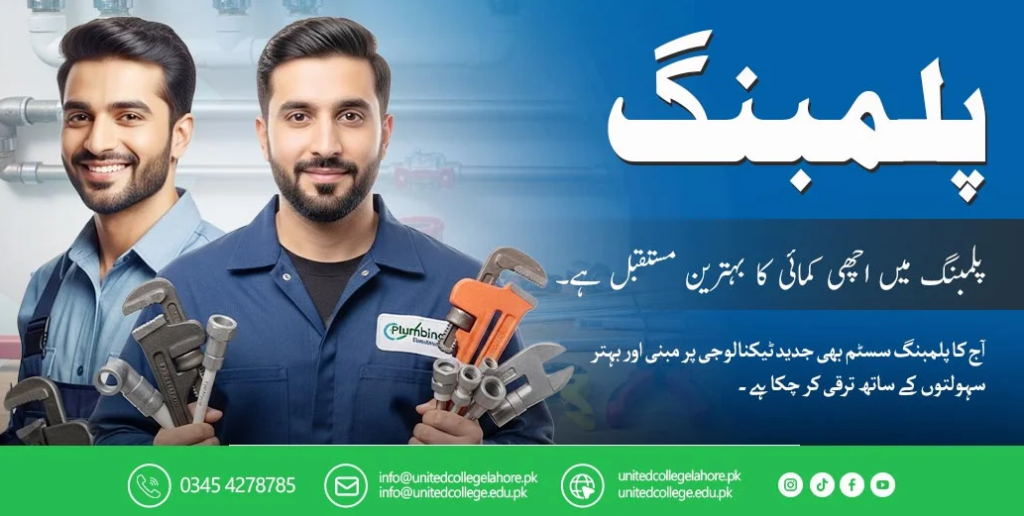
Building a Long-Term Career in Plumbing
Plumbing offers career opportunities for workers who develop technical knowledge, practical experience, and professional skills. Experienced plumbers can move beyond basic installation and repair work into supervisory positions, specialized services, project coordination, or self-employment. Their career progression often depends on work quality, industry experience, additional training, and the ability to manage responsibilities. A plumbing course in Lahore can help beginners establish a technical foundation before gaining the experience needed to pursue more advanced roles.
Advancing to Senior Plumber Positions
One common progression route is moving from an entry-level plumber to a senior or experienced technician. Senior plumbers often handle more complicated installations, diagnose difficult faults, and guide less experienced workers.
They may work on water supply systems, drainage networks, bathroom installations, and building maintenance projects. Employers may also expect them to check completed work, identify installation problems, and ensure that tasks follow project specifications.
Developing accurate measurement, troubleshooting, and inspection skills can help plumbers become more dependable and prepare for greater responsibility.
Becoming a Plumbing Supervisor
Experienced plumbers with strong communication and organizational abilities may progress into supervisory roles. A plumbing supervisor helps coordinate workers, assign daily tasks, monitor installation quality, and ensure that projects follow schedules and safety requirements.
Supervisors may also review plumbing drawings, check material requirements, report progress to site managers, and help resolve technical problems. These responsibilities require more than practical plumbing knowledge; they also involve teamwork, planning, and decision-making.
Additional experience with construction procedures and workplace documentation can help plumbers prepare for these positions.
Specializing in Advanced Plumbing Systems
Some plumbers choose to specialize in particular systems or technical services. Specialization can help workers develop deeper knowledge and pursue roles that require specific expertise.
Possible areas include:
- Commercial plumbing: Installing and maintaining systems in offices, shopping centers, hotels, and hospitals.
- Industrial piping: Working with specialized piping systems after receiving the appropriate training and safety preparation.
- Water pump systems: Installing and maintaining pumps, pressure-control equipment, and related connections.
- Leak detection: Identifying hidden leaks and investigating recurring water loss.
- Water-efficient installations: Working with suitable fixtures and systems designed to reduce unnecessary water consumption.
Specialized work may require additional certifications, supervised experience, or employer-specific training. Plumbers should confirm the qualifications required for their chosen field.
Moving into Plumbing Project Management
Experienced plumbers who understand installation processes, material estimation, and site coordination may eventually pursue project management responsibilities.
A plumbing project coordinator or manager may help plan work schedules, estimate materials, coordinate with contractors, monitor expenses, and review installation progress. Larger projects may require formal qualifications or substantial management experience.
Learning to read technical drawings, prepare material lists, communicate with suppliers, and maintain accurate records can support this progression. These abilities help workers understand how individual plumbing tasks fit into the overall construction project.
Starting an Independent Plumbing Business
Self-employment is another possible career route for experienced plumbers. A qualified and capable professional may establish a small service business offering repairs, fixture installations, drainage maintenance, and plumbing inspections.
Running a business requires more than technical ability. Plumbers must manage customer inquiries, prepare quotations, purchase materials, organize appointments, and maintain service quality. They should also understand applicable business registration, tax, licensing, and safety requirements.
Starting with manageable projects and building a reputation for reliable work can help an independent plumber develop a customer base over time.
Exploring Overseas Plumbing Opportunities
Experienced plumbers may also consider employment in overseas construction and facility maintenance markets. Some employers recruit workers for residential projects, commercial buildings, industrial facilities, and large construction developments.
However, overseas employment requirements vary by destination, employer, and job role. Candidates may need relevant experience, verified documents, a practical trade test, or additional occupational approval.
Workers should research recruitment procedures carefully, confirm contract conditions, and verify whether their qualifications meet the requirements for the intended position. Practical competence and a clear employment record can help candidates demonstrate their abilities.
Developing Skills Through Continuous Training
Career progression often requires workers to update their knowledge as materials, equipment, and construction methods change. Experienced plumbers can benefit from learning about modern fittings, efficient fixtures, new testing equipment, and improved maintenance procedures.
United College of Technology (UCT) provides technical training opportunities for learners interested in developing practical trade skills. For beginners, a plumbing course in Lahore can provide an introduction to essential plumbing concepts before they gain experience and pursue advanced training.
Creating Opportunities for Professional Growth
Experienced plumbers can progress into senior technician roles, supervisory positions, specialized services, project coordination, independent business ownership, and overseas employment. The best route depends on individual skills, experience, qualifications, and career goals. By combining practical expertise with communication, planning, safety awareness, and continuous training, plumbers can strengthen their professional abilities and pursue greater responsibility in the construction and maintenance industries.
A professional plumbing course provides practical training in pipe installation, water supply systems, drainage networks, leak detection, and plumbing maintenance. Students learn to use industry tools, select suitable pipe materials, install fittings, and follow essential safety procedures. With hands-on workshop practice and technical guidance, learners can develop job-ready skills for residential, commercial, and construction projects while preparing for plumbing trade tests and potential employment opportunities in Pakistan and abroad.