 0300-5008536
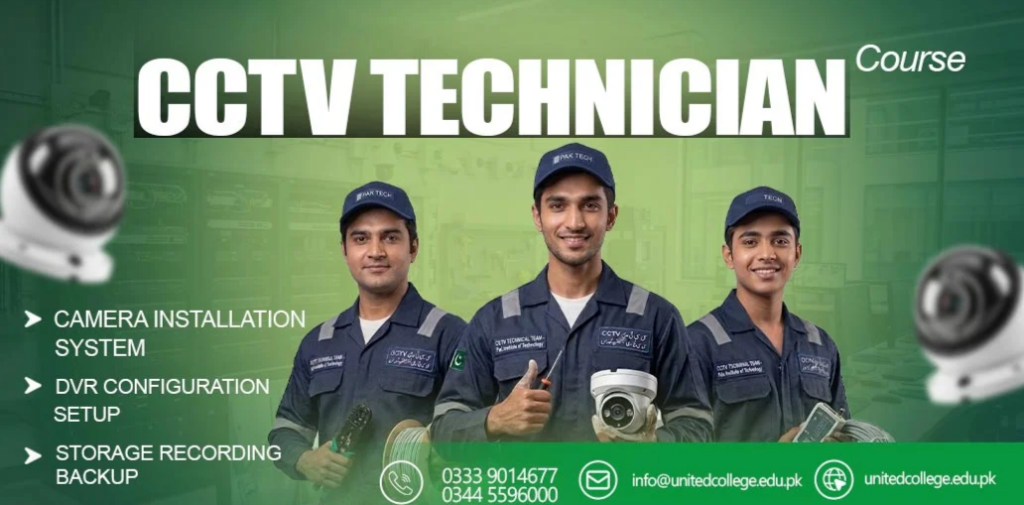
Why CCTV System Testing Matters
Installing CCTV cameras is not the final step in creating a reliable surveillance system. After cameras, cables, recording devices, and network equipment have been installed, the complete system needs to be tested. Testing allows technicians to confirm that every component is working correctly and that the cameras provide the expected coverage.
For beginners, understanding the testing process is an important part of learning CCTV installation. A CCTV camera course can help students develop practical knowledge about checking equipment, identifying faults, and making necessary adjustments before a system is completed.
Confirming Camera Performance
The first stage of testing is checking whether every camera is operating properly. Technicians review the live video feed to make sure each camera is receiving power and producing a clear image.
They also check the camera’s viewing angle and position. A camera may be working perfectly but still fail to cover the required area because of an incorrect installation position. Testing gives technicians an opportunity to make adjustments before completing the project.
Checking Video Quality and Lighting
Video quality can change depending on lighting and environmental conditions. Technicians should examine the camera image during different conditions to identify problems such as excessive glare, darkness, poor focus, or unclear footage.
Night-time testing is particularly useful for cameras equipped with infrared or other low-light features. It allows technicians to understand whether the camera provides suitable visibility when natural lighting is limited.
Testing Cables and Connections
Cables and connectors play an important role in CCTV performance. A loose, damaged, or incorrectly connected cable can cause video loss, unstable connections, or complete camera failure.
During system testing, technicians inspect the connections between cameras, recording equipment, power sources, and network devices. This simple step can help identify installation problems before they become difficult to diagnose.
Verifying DVR and NVR Recording
Live video is only one part of a CCTV system. Technicians also need to confirm that footage is being recorded correctly. DVRs and NVRs should be checked to ensure that connected cameras are recognized and that recording settings are working as intended.
Technicians can review recorded footage and test playback to confirm that video is being stored properly. This is particularly important because a camera that displays live video but fails to record can create a significant system problem.
Checking Storage and Recording Settings
CCTV systems can generate a large amount of video data. Testing should therefore include a review of storage status and recording settings.
Technicians can check whether the storage device is recognized correctly and whether the system is retaining footage according to its configured settings. This also provides an opportunity to identify storage-related warnings or recording interruptions.
Testing Network Connectivity
Modern IP CCTV systems rely on network communication between cameras, switches, NVRs, and other devices. Network testing helps confirm that connected equipment can communicate correctly.
Technicians may check IP configurations, Ethernet connections, PoE equipment, and communication between cameras and recording devices. Identifying network problems during installation can make future troubleshooting easier.
Testing Remote Monitoring
If remote monitoring has been configured, technicians should also test the connection. The purpose is to confirm that authorized users can access live video and, where configured, recorded footage from an approved remote device.
Remote access should be checked carefully because incorrect settings can prevent access or create unnecessary security risks. Proper configuration and appropriate access controls are important parts of this process.
Fixing Problems Before Completion
One of the main benefits of system testing is that it gives technicians an opportunity to correct problems before the installation is considered complete. Testing may reveal poor camera positioning, recording errors, unstable connections, network issues, or unsuitable image quality.
Instead of waiting for the user to discover these problems later, technicians can make adjustments during the final inspection. This can improve the reliability and usability of the completed surveillance system.
Developing Practical Skills Through Training
System testing is an important skill for beginners learning CCTV technology. Through practical training, students can install cameras, check video feeds, test connections, configure recording devices, and investigate common faults.
A CCTV camera course that includes hands-on testing can help learners understand how different components work together. Repeated practice can also improve their ability to identify problems and approach technical tasks systematically.
Testing Helps Complete a Reliable CCTV System
System testing is an essential part of professional CCTV installation. Checking camera performance, video quality, connections, recording, storage, network communication, and remote access helps technicians identify problems before the system is handed over.
For beginners, learning how to test a CCTV system can strengthen both technical knowledge and troubleshooting ability. With practical training and regular experience, learners can become more comfortable installing, checking, and maintaining modern surveillance systems.
Here is our free guest post where we share valuable information about professional training courses and career development:
https://appreciate-choice.mn.co/posts/107948247?utm_source=manual
https://ahmedgg.ziblogs.com/43178759/why-networking-skills-are-important-for-modern-cctv-technicians
https://kahkaham.net/read-blog/220714_why-cctv-installation-is-a-valuable-technical-skill-in-2026
https://www.bigbizstuff.com/articles/how-cctv-technicians-plan-a-security-camera-installation